Prices
  Request a call back
  Moving Guides
  Free quote
 Skip licences & road closures for Notting Hill moves
Posted on 06/07/2026
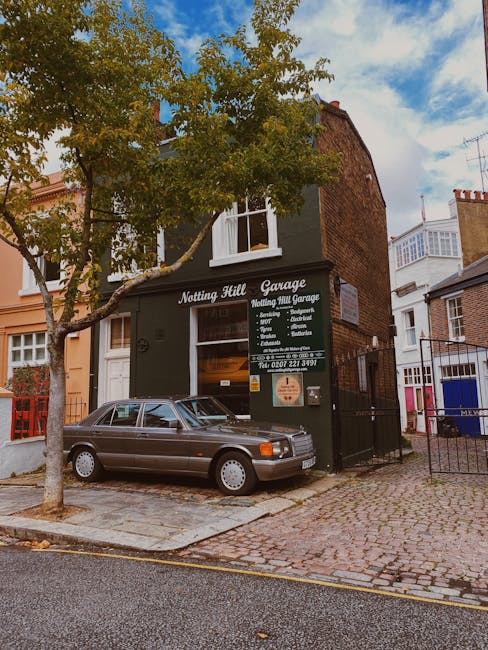
Skip licences & road closures for Notting Hill moves: a practical local guide
Moving in Notting Hill sounds simple enough until the street narrows, the skip needs a permit, and a road closure turns your loading bay into a no-go zone. If you are trying to keep a move on schedule, the details around skip licences & road closures for Notting Hill moves can make the difference between a calm handover and a very expensive scramble. The good news? With a sensible plan, you can avoid most of the stress, protect access for the removal team, and keep neighbours, building managers, and local rules onside.
This guide breaks down how it all works in plain English, what to check before moving day, and where road access, skip placement, parking, and timing can quietly trip you up. It is written for real life, not an idealised moving day that never gets delayed by a delivery lorry, a suspended bay, or a sudden burst of rain at 8:10 in the morning. Let's get into it.
Why skip licences & road closures for Notting Hill moves Matters
Notting Hill is beautiful, busy, and a bit unforgiving on logistics. The streets around Portobello Road, Ladbroke Grove, Westbourne Grove, and the surrounding terraces can be tight for larger vehicles, while some buildings have narrow forecourts, shared access, or strict loading windows. That means even a well-organised move can get derailed if the skip is placed incorrectly or the road is unavailable when the van arrives.
A skip licence matters because a skip placed on a public road, kerbside, or other highway-controlled space usually needs permission. A road closure matters because it can affect whether a removal van can stop, unload, or turn safely. Together, those two issues shape the whole move. If one is missed, the rest of the plan starts wobbling. Simple as that.
There is also the neighbour factor. In a dense area like Notting Hill, one blocked entrance can affect several households. If a skip blocks sightlines, or a vehicle idles in the wrong place, complaints can snowball fast. That is why a bit of pre-planning saves more than time; it protects goodwill. And in moving, goodwill is worth gold.
Expert summary: In Notting Hill, the best moves are rarely the fastest ones to organise on the day. They are the ones where access, parking, disposal, and timing are sorted in advance, with one clear plan for the skip, one clear plan for the van, and one backup for anything the street throws at you.
If you are also weighing up which type of move suits your property, our Notting Hill removal services overview is a useful place to start. For local context, the team's about Notting Hill guide also helps explain why access can be trickier here than in wider outer-London areas.
How Skip licences & road closures for Notting Hill moves Works
At a practical level, the process usually has three moving parts: permission, timing, and access control. You do not need to overcomplicate it, but you do need to understand which piece sits where.
1) Check where the skip will sit
If the skip is going on private land, such as a driveway, yard, or private car park, a licence may not be needed. If it is going on the public highway, verge, or a shared access road that is controlled like a public space, permission is typically required. In Notting Hill, that distinction matters a lot because many properties have limited private space. It is easy to assume there is room, then realise there really isn't.
2) Confirm whether the road is open for loading
Road closures can be temporary, planned, or part of local events, works, or building activity. Even when a road is not fully closed, there may be suspended bays, access restrictions, or one-way system changes that affect your removal vehicle. If you have ever tried to reverse a van into a street already tight with parked cars, you will know why this is not a small detail.
3) Align the skip, van, and lift-in/lift-out times
This is where many moves either glide or grind. You want the skip positioned and accessible before the packing debris starts building up, but not so early that it sits in the way for days. You also want the van arrival time to match the building's access rules and any restrictions on street loading. In short: the skip should support the move, not become the move.
4) Keep communication tight
Building managers, neighbours, removal crews, and whoever is arranging the skip all need the same information. The best outcomes happen when everybody knows the exact day, the approximate arrival window, and what to do if access changes. A missed message on moving day can become a missed slot, and in Notting Hill those slots are often precious.
For a broader look at moving logistics, the services overview explains how different move types fit different access situations, while man with a van support in Notting Hill can be useful for smaller, faster jobs that still need careful kerbside planning.
Key Benefits and Practical Advantages
Sorting the skip licence and road access early is not just admin for the sake of admin. It has real benefits that show up on the day.
- Fewer delays: vehicles can arrive, park, unload, and leave without improvising on the pavement.
- Lower stress: everyone knows where materials go and who is responsible for what.
- Better safety: clear access reduces trip hazards, blocked sightlines, and rushed lifting.
- Less neighbour friction: a tidy plan is easier for everyone living nearby to tolerate.
- Cleaner move-out: a skip or waste solution in place means fewer last-minute dumping decisions.
- Stronger compliance: you reduce the risk of fines, complaints, or awkward conversations with building management.
There is also a less obvious benefit: better energy on the day. That sounds fluffy, but it is real. When the street plan works, the move feels controlled. Boxes come out, furniture goes in, and the team can focus on lifting rather than dodging obstacles. That calm atmosphere spreads fast.
For heavier or awkward items, the right setup is even more important. If you are moving something fragile or oversized, it may be worth reading about furniture removals in Notting Hill or the specialist guidance on piano removals, because access planning and vehicle positioning can matter just as much as wrapping and lifting.
Who This Is For and When It Makes Sense
This kind of planning is not only for large house moves. It matters for a wide mix of Notting Hill situations.
Home movers
If you are moving from a flat, maisonette, townhouse, or terrace, you may need a skip for decluttering, packing waste, or old furniture that is not worth taking with you. A road closure, a suspended bay, or a no-stopping period can affect how your removal van operates. This is especially true around busy residential streets where parking is already competitive.
Flat residents and landlords
Flat moves can involve stairwells, shared hallways, and strict building rules. If a skip is being used for clearance, refurbishment waste, or post-tenancy disposal, access has to be planned with other residents in mind. No one enjoys squeezing past a skip every morning on the way to the lift.
Office and studio relocations
Smaller businesses often underestimate the logistics. Office removals generate packaging, broken-down furniture, and a lot of odd-shaped waste. If your premises sit near a traffic-sensitive road or event route, a road closure can affect collections and deliveries. The issue is not just getting items out; it is getting them out at the right time.
Same-day or short-notice moves
Short-notice jobs are the hardest. If you need same-day removals in Notting Hill, you have far less room to manoeuvre on permits and access windows. That is where quick decisions and clear priorities matter most.
If you are comparing different providers, you may also find Notting Hill removal companies helpful for understanding who can handle access-heavy moves, and when a smaller team makes more sense than a larger one. For students, the requirements can be lighter but the timing still matters; see student removals in Notting Hill for that kind of move.
Step-by-Step Guidance
If you want to keep things orderly, follow a sequence rather than reacting to each problem as it appears. That alone can save a surprising amount of time.
- Map the access route. Look at where the van will stop, where the skip can sit, and whether pedestrians can still pass safely.
- Check road restrictions. Note any time-limited loading bays, street works, resident-only zones, or event-related closures near the property.
- Confirm the skip location. Decide whether it will be on private ground or the highway, then arrange the appropriate licence if required.
- Coordinate with the removal team. Make sure the crew knows the access route, doorway width, stair layout, and any narrow turning points.
- Set the timing windows. Keep the skip delivery, van arrival, and waste clearance aligned so nothing blocks the next stage.
- Notify the building or neighbours. A heads-up can reduce complaints and help everyone prepare for temporary disruption.
- Prepare for the unexpected. Build in a buffer for traffic, delayed lifts, or a delivery vehicle parked where it should not be. Because, frankly, it happens.
- Check the site before work begins. Do one last walk-round on the morning of the move. Five minutes here can prevent a costly mistake later.
To help with planning around local streets and timing, the article on best times for Portobello Road moves is particularly useful if your move sits near busier weekend footfall. For block-by-block access challenges, Holland Park estate access tips offer a good example of how closely local restrictions can shape a move.
Expert Tips for Better Results
The difference between a decent move and a smooth one often comes down to tiny details. Here are the ones worth sweating over.
- Leave space for turning: a vehicle may be able to enter a street but still struggle to exit safely. Check both directions.
- Use one main contact: too many people giving instructions can create confusion. Pick one person to coordinate access on the day.
- Keep the skip close, but not obstructive: it should be near enough for efficiency and far enough to keep the pavement usable.
- Match the moving volume to the disposal plan: if you know you are clearing wardrobes, mattresses, and packing debris, make sure the skip or waste route can handle it.
- Book earlier than you think you need to: especially in busy periods, access slots and permits can become tight without much warning.
- Plan for wet weather: a rainy London morning makes pavements slick, cardboard weak, and carry routes slower. Just true, isn't it?
One small practical move: keep a printed copy of the access plan in the property. Mobile signal can be patchy inside older buildings, and nobody wants to be scrolling through messages while a sofa is halfway down a stairwell.
If your move involves valuable or awkward items, the best advice is to build the street plan around the item, not the other way around. That sounds obvious, yet it is where people go wrong. For fragile pieces, you may want the team's advice on experienced movers in Notting Hill or insurance and safety considerations so the lift path, parking position, and packing approach all line up.

Common Mistakes to Avoid
Most access problems are preventable. The usual culprits are not dramatic; they are small oversights that stack up.
- Assuming a skip can sit anywhere. If it touches the public highway, check whether permission is needed.
- Forgetting about road closures or suspended bays. Even temporary restrictions can break the loading plan.
- Leaving booking too late. Good access planning needs lead time, especially in busy parts of Notting Hill.
- Not checking building rules. Many blocks have strict lift booking, noise, or loading procedures.
- Ignoring waste strategy. Packing waste, old furniture, and clearance items need a proper route out.
- Not briefing neighbours. A skipped notice can become a complaint, and complaints have a habit of arriving at the worst time.
- Trying to save time by guessing. Guessing is expensive. Always verify access rather than assuming it will be fine.
The biggest mistake? Treating the skip and the road closure as separate problems. They are linked. If the road is unavailable, the skip may never get delivered where you planned. If the skip is misplaced, the removal team may lose loading space. The two need to be handled together.
If you are comparing costs and wonder why one quote is higher than another, the article on why Notting Hill removal quotes vary is a sensible read. Access complexity is often a bigger factor than people expect.
Tools, Resources and Recommendations
You do not need a fancy toolkit, but you do need the right information in the right place. Here is what helps most.
- Simple site sketch: a rough drawing of the building frontage, skip position, van stop, and pedestrian route.
- Move-day contact sheet: phone numbers for the removals lead, building manager, and whoever is handling waste or access permissions.
- Room-by-room packing list: this helps you judge how much waste will actually be generated and whether the disposal plan is realistic.
- Calendar with access windows: note the delivery time, loading window, lift booking, and any closure period in one place.
- Item priority list: decide what must leave first, what can wait, and what can be disposed of or donated before the van arrives.
If you want more general planning support, the pages on packing and boxes and home removals can help you line up the packing side with the access side. For office moves, office removals in Notting Hill may be the better fit.
And if your move is especially time-sensitive, a quick check of pricing and quotes can help you compare what is included, what might be extra, and how access issues are handled. That bit matters more than people think.
Law, Compliance, Standards, or Best Practice
This is the section people often skim, then regret later. In the UK, skip placement and road occupation are not things you should assume away. Local rules vary, and permissions may be required where a skip sits on the highway or where road access is temporarily restricted. In practice, that means you should always check the current requirements before you book or place anything in a public space.
For moves in Notting Hill, best practice usually includes three things:
- Permission before placement: do not place a skip on public land without confirming whether a licence is needed.
- Traffic-safe positioning: keep the arrangement safe for pedestrians, cyclists, and passing vehicles.
- Clear responsibility: know who is arranging what, and who is responsible if access changes on the day.
There is also a wider duty of care around safety. Removal teams should be able to work without creating unnecessary hazards, and residents should still be able to move through the area as reasonably as possible. That is especially important in mixed-use streets, where homes, deliveries, and foot traffic all overlap.
Local best practice is often less about hard drama and more about common sense. Good signage, tidy loading, clear timings, and calm communication go a long way. For policies and standards around care, the site's health and safety policy and terms and conditions are useful companion reads if you want to understand what a professional approach looks like.

Options, Methods, or Comparison Table
There is more than one way to handle waste, access, and loading during a Notting Hill move. The right choice depends on property type, volume, timing, and how much street space you can actually use.
| Option | Best for | Strengths | Limitations |
|---|---|---|---|
| Skip on private land | Homes with driveways, yards, or private forecourts | Usually simpler, less disruption to the street | Needs enough space; not suitable for every property |
| Skip on public highway | Properties without private placement options | Convenient for larger clearances | May require a licence and careful road-space planning |
| Van-only removal with no skip | Smaller moves or items being transported, not cleared | Fast and flexible | Waste still needs a separate disposal plan |
| Managed same-day clearance | Short-notice moves or last-minute de-cluttering | Quick response and less admin for the customer | Limited flexibility if road access is tight |
In the real world, the best setup is usually the one that keeps the street clear while still giving the team enough room to work. If the property has a narrow frontage, a van-only plan may be better than forcing a skip into a poor location. If there is a bigger clearance involved, a skip may make more sense, provided the access checks out.
For some households, a mixed approach works best: furniture moved by van, waste cleared separately, and fragile items handled with specialist support. That is often the least glamorous option. Also the least stressful.
Case Study or Real-World Example
Picture a flat move off a Notting Hill side street on a Friday morning. The client has a mix of boxes, a sofa, a disassembled bed, and several bags of unwanted packaging. The first instinct is to order a skip and park the removal van right outside. Reasonable, right?
But the street is already tight, and there is a temporary loading restriction near the corner because of nearby works. If the skip lands in the wrong spot, the van cannot stop safely, and the building entrance ends up blocked for neighbours. That is how a simple move becomes a chain reaction of frustration.
Instead, the plan is adjusted. The skip is placed where it does not block the loading route, the van is scheduled during the quietest loading window, and the building manager is told exactly when the lift will be used. The removal crew starts with the heaviest items and clears the access path as they go. The waste is separated neatly, and the move finishes without the classic 11:45 panic.
Nothing about that approach is flashy. It is just tidy logistics. But tidy logistics, honestly, are what keep moves in Notting Hill from turning into street-level theatre.
If your move is equally time-sensitive, the guidance in emergency same-day removals in Notting Hill is worth a look. It shows how speed and control can still coexist when the plan is clear.
Practical Checklist
Use this checklist a few days before the move, then again on the morning itself.
- Confirm whether the skip will be on private land or public highway.
- Check if any road closures, suspended bays, or access restrictions affect the property.
- Book the skip and the removal team with matching timing windows.
- Notify the building manager or landlord about the move plan.
- Tell neighbours if the street may be partially occupied for loading.
- Measure the frontage, gate width, and turning points if access is tight.
- Set aside items for disposal, donation, or recycling before moving day.
- Keep the loading route free of loose bags, tools, or packaging.
- Have one named contact available by phone on the day.
- Do a final walk-through before the van arrives.
If you are moving out of a flat, the page on flat removals in Notting Hill is especially relevant because access planning often starts with stairs, lifts, and tight communal spaces. For larger domestic moves, removals in Notting Hill gives a wider view of what to expect.
Conclusion
Skip licences and road closures are not glamorous parts of moving, but they are often the parts that decide whether the day feels organised or chaotic. In Notting Hill, where space is tight and streets can change character very quickly from one corner to the next, a good access plan is not optional. It is the backbone of a smooth move.
Start early, keep the skip plan and the road plan together, and make sure everyone involved knows the route, the timing, and the backup. That is the difference between hoping for the best and actually being ready. And truth be told, being ready is a lot nicer.
Get a free quote today and see how much you can save.