Notting Hill Removals in Notting Hill

Notting Hill removals can be planned around the practical details that matter most on moving day: the size of the property, the access available at both ends, and how much handling your furniture and boxes will need. Our removal service covers household moves with a careful, organised approach, helping customers move belongings safely through shared entrances, stairwells and busy streets without turning the day into a scramble.
If you are arranging a flat move, a family house move or a smaller relocation with mixed furniture and packed items, we provide a flexible service built around the load rather than a rigid template. That can include lifting, carrying, loading and unloading, together with sensible planning for items that need extra attention. Start by reviewing the service options that fit your move, then ask for a quotation when you are ready.
We work with the straightforward aim of making removals in Notting Hill feel well managed from the first enquiry to the final item being placed in its new room. Different moves call for different levels of support, so it helps to choose the right combination of transport, labour and packing assistance rather than paying for more than you need. If you want to compare what is available, the sections below outline the main choices. You can request a quote once you know the scale of the job.
House removals for local moves
House removals are often about more than moving one room’s contents from A to B. A typical domestic move may include wardrobes, beds, white goods, fragile boxes, garden items and the pieces of furniture that define each room. Our house removals service is intended for customers who want help with the whole process, including the physical move itself and the practical handling needed to keep belongings in good order.
For many homes, the most useful part of the service is having an experienced removal team manage the heavy items while keeping the rest of the move tidy and orderly. We can support moves from houses, maisonettes and flats where access may be tight or where lifting needs to be done with care. Choose the level of support that suits your belongings, and ask for a quotation when the scope is clear.
When planning a house move, it is worth deciding what should travel together, what needs to be dismantled and whether anything must be protected separately. To help you prepare, keep these points in mind:
- identify the larger items that need disassembly or extra lifting care
- separate fragile goods from general boxes so they can be handled appropriately
- check parking or access points at both properties before moving day
- set aside anything you want to keep with you rather than loading it on the van
Removal services matched to the size of the job

Not every move needs the same vehicle, the same crew size or the same level of hands-on help. Our removal services are designed to suit a range of domestic and commercial requirements, from compact moves to larger loads that benefit from more structured loading. This makes it easier to choose a service that matches your property, access conditions and timetable without overcomplicating the booking.
We also support customers who need a more tailored arrangement, such as labour for the heavy lifting and transport for the main load, or a simpler move where only a van and careful handling are needed. The key is to match the service to the amount of furniture and packaging involved. If you are uncertain about the right option, a short description of the move is usually enough to begin planning a quotation.
Useful service considerations often include the number of rooms involved, whether the move includes dismantled furniture, and how far items must be carried between property and vehicle. Noting these details early can make the arrangement clearer and the final plan easier to follow. It also helps to decide which items are priority loads, particularly if you need certain furniture or boxes delivered first.
Packing and unpacking support
Packing is one of the most time-consuming parts of moving, and it often makes the difference between a rushed day and an organised one. Our packing and unpacking services are suitable for customers who want help protecting household items, grouping contents sensibly and reducing the chance of breakage in transit. Packing can be arranged as a standalone support or alongside the move itself.
Good packing is not only about boxes. It also involves selecting the right materials for fragile items, using appropriate wrapping for surfaces and keeping related items together so rooms can be unpacked in a logical order. For many customers, that means less confusion when they arrive at the new property. If you prefer to do some packing yourself, we can still discuss the parts of the move that need additional care.
There are several practical reasons to choose packing help rather than leaving everything until the last minute. A more orderly pack can reduce handling delays, make loading more efficient and help protect items that are awkward to stack. It can also be useful when moving from a home with a wide variety of contents, from kitchen equipment to decorative pieces and storage boxes.
Commercial and office removals
Commercial moves require a different rhythm from domestic removals. Office removals may involve desks, chairs, filing cabinets, IT equipment, archive boxes and specialist furniture that must be moved in the right order. Our office relocation services are intended for businesses that need a practical move with attention to both equipment and the continuity of the work environment.
Office removals are often shaped by access, timing and the type of equipment being moved. A good plan may include moving furniture first, then boxed contents, then items that need careful disconnection or reassembly. We focus on keeping the process organised so that the relocation feels manageable rather than disruptive. If your business move needs a structured approach, it is sensible to discuss the load before confirming arrangements.
For many commercial customers, the most useful preparation is to identify what must be moved, what can be archived, and what should be disposed of separately. That helps to reduce unnecessary handling and keeps the move focused on the items that matter. It also creates a clearer basis for a quotation, especially where access, stair use or loading bays may affect the plan.
Man and van removals for flexible transport

Man and van removals can suit customers who need a simpler, more flexible way to move a smaller load or a set of selected items. This type of service is often useful for one-bedroom flats, partial household moves, furniture collection and relocations where the key requirement is secure transport with practical loading support. It can be a sensible choice when a full house-removal setup would be more than you need.
The value of this service lies in its adaptability. Some customers need a van for a few larger items, while others need help moving a modest number of boxes and furniture pieces without paying for unnecessary capacity. We can discuss what is being moved and build the service around the load. If you want a straightforward option, this is a common place to start, and a quotation can be prepared from the details you provide.
Before booking, it helps to think about whether the move includes stairs, long carry distances or especially heavy furniture. Those details affect the time and handling required, and they are useful when shaping a practical plan. A clear description of the contents makes it easier to recommend the right type of transport and labour for the job.
Furniture pick-up and individual item moves
Not every booking is a full property clearance or a whole-house relocation. Furniture pick-up can be the right solution when you need a single item, a few pieces, or a newly purchased sofa or bed moved safely to your property. Our furniture pick-up service is well suited to customers who want careful collection and delivery without arranging a larger removal than the job requires.
Individual item moves still benefit from the same attention to detail as larger removals. Bulky furniture may need protecting, doors may need checking for width, and items with glass or delicate finishes may require extra separation from other objects in the van. This service can also help when a purchase needs to be collected from a seller, storage space or another property. Keep your requirements focused and the move can usually be planned efficiently.
The main decision is whether the item is straightforward to carry or whether it needs additional handling, lifting support or dismantling before transport. Once that is clear, it becomes easier to assess the vehicle space and the labour involved. For many customers, this smaller-scale service is the most economical way to move one or two key pieces safely.
About Notting Hill
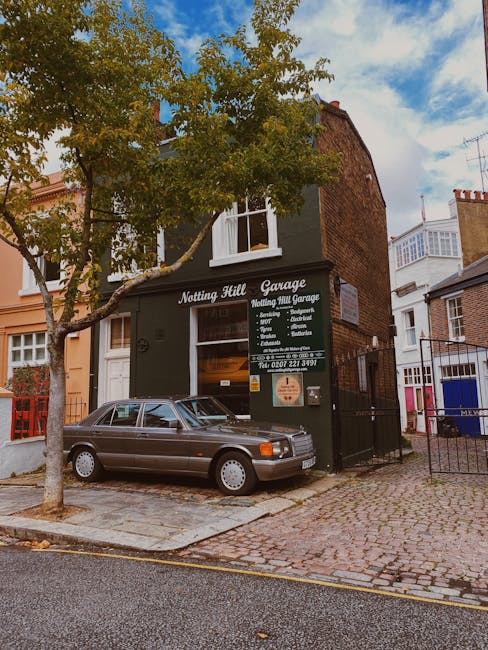
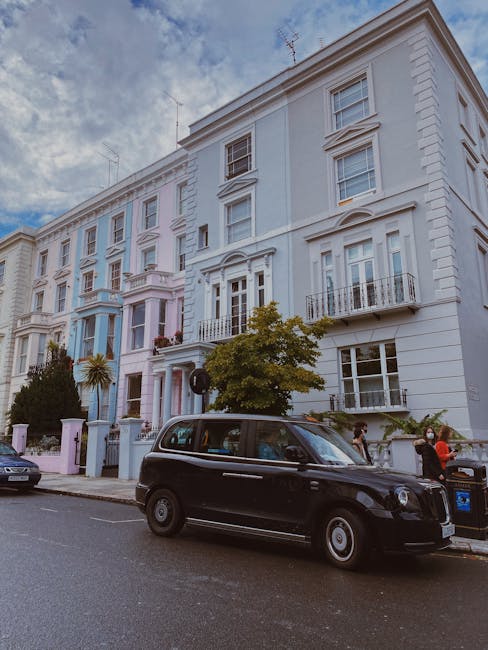
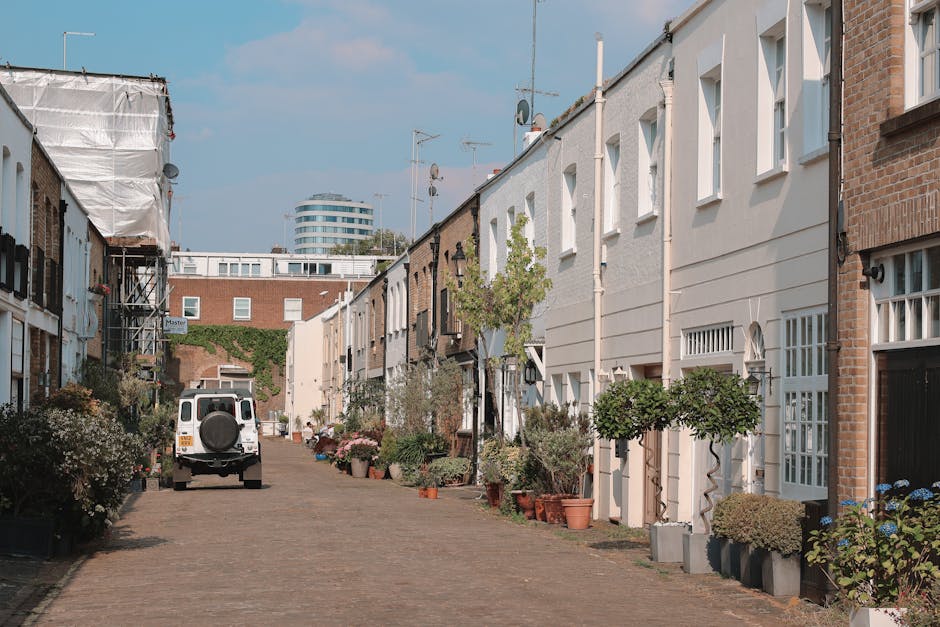
Notting Hill is an area in West London with a character shaped by Georgian terraces, later residential development and a long cultural association with creativity, independent retail and street life. It sits within the Royal Borough of Kensington and Chelsea and is closely associated with the road grid around Portobello Road, Westbourne Grove and Ladbroke Grove. The district is known for its distinctive rows of coloured stucco houses, crescent-shaped streets and communal garden squares, many of which date from nineteenth-century development when the area was transformed from semi-rural outskirts into a fashionable suburb. The architecture includes long terraces, mansion blocks and mews streets that reflect different phases of London housing history.
Portobello Road is one of the best-known streets in the area and has become especially famous for its market, antique stalls and everyday retail activity. Nearby, the annual Notting Hill Carnival has grown into one of the most significant street festivals in Europe, celebrating Caribbean culture and drawing large crowds each summer. The neighbourhood’s identity also owes much to its mix of residential calm and busy commercial corridors, where cafés, bookshops, small boutiques and local services sit alongside busier routes that connect the area with the rest of west London. Holland Park lies to the east, while Kensington Gardens and the wider Royal Borough add to the area’s network of open spaces and well-known landmarks. The result is a district with a strong sense of place, where historic streets and modern city life sit side by side in a compact urban setting.
For residents and businesses, the area’s appeal lies in that combination of recognisable streets, transport links and varied building types. Some parts feel quiet and residential, while others are lively and commercial, creating a neighbourhood that is easy to identify yet not simple to define in one sentence. Its changing history, architectural variety and cultural associations have made it one of London’s most distinctive place names, with a character that is shaped as much by its streets and buildings as by the events and communities connected with it over time.
Planning access, loading and timing

Good planning often comes down to the practical details that affect how long a move takes and how easily items can be handled. Access is especially important in areas with flats, narrow roads or limited parking, because the distance between the property and the vehicle can change the amount of labour involved. We encourage customers to think about loading conditions, lift availability and any restrictions that may affect the move on the day.
It also helps to decide in advance which items need to be moved first. For example, larger furniture often sets the rhythm of the load, while boxes, lamps and smaller household goods can be arranged around it. A thoughtful loading sequence can reduce unnecessary rehandling and keep breakables separate from heavier pieces. If you are preparing to move, a short list of key items and access notes can make the discussion more efficient.
When comparing options, remember that timing is shaped by both the size of the load and the conditions at each property. A short move may still need careful handling if the access is awkward, while a more extensive load can be straightforward if everything is packed and ready. For a clear next step, ask for a quotation when you have the details to hand.
Home moves with packing, loading and transport
Home moves can combine several tasks at once: packing, carrying, loading, transport and unloading. That is why it is useful to think of the service as a coordinated process rather than a single van journey. Our home moves support is suitable for customers who want those stages handled in a practical order, with attention to the items that matter most and the spaces they must pass through.
Some home moves are simple, while others involve a mixture of furniture, white goods, personal possessions and items stored in lofts, cupboards or sheds. The service can be adjusted to reflect that variety. It is often easier to move a home well when you know which items are going into each room, which boxes are fragile and which furniture pieces need a bit more care. This makes the move feel calmer and more deliberate.
If you are comparing domestic services, consider whether you need full assistance or a more selective arrangement that focuses on the heavy and difficult pieces. Both approaches can be useful depending on the size and shape of the move. A well-matched service usually gives better value than a one-size-fits-all booking, especially where access is straightforward but the contents are varied.
Quotation details and service choices

The clearest quotations come from a straightforward description of what needs to be moved, where it is going and any features of the properties that affect access. That might include the number of rooms, the presence of stairs or lifts, and whether any items need dismantling before transport. For smaller jobs, a simple summary is often enough; for larger moves, a fuller list helps us match the service more accurately.
It can also be helpful to note any items that are unusually heavy, awkward or fragile. Practical details such as the size of the load, parking arrangements and preferred timing all play a part in shaping the plan. If you are still deciding between a full house move, a van-based move or a furniture-only collection, comparing those details first can make the quotation process much easier to follow.
Our aim is to keep the process clear and useful rather than overcomplicated. If you already know what needs moving, you can outline the job and move forward from there. If you are still weighing up your options, the service descriptions above should help you decide what kind of support is most appropriate. Request a quotation when you are ready to take the next step.